Field notes · 27 Jun 2026
Best Safari in Crete 2026: Top Tours Ranked (from €89)
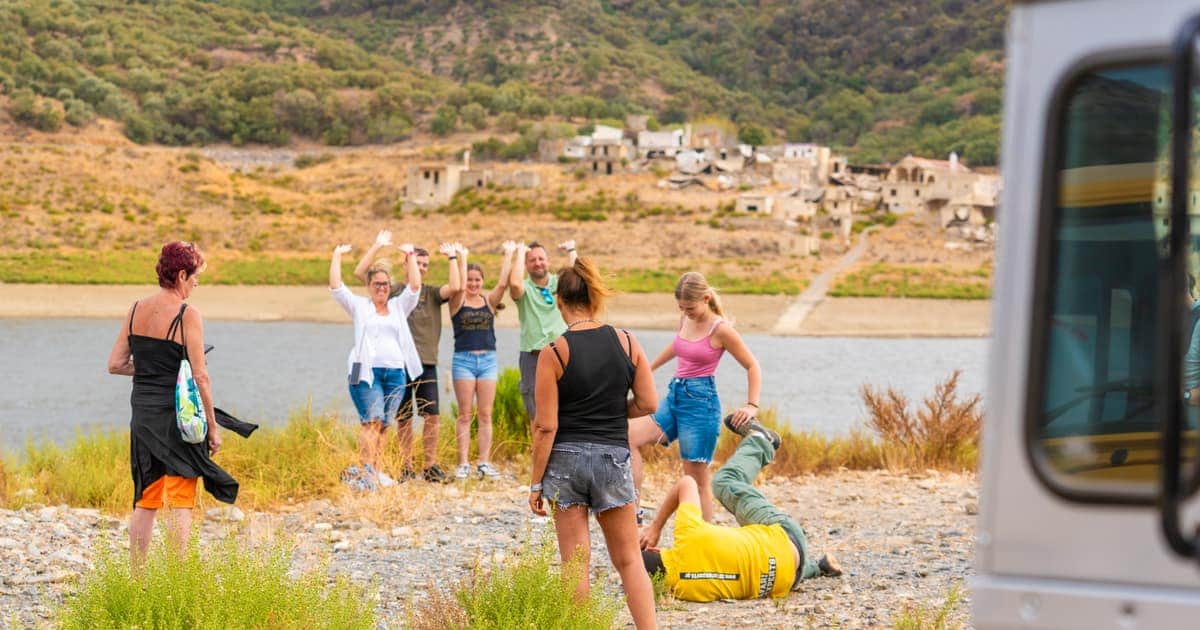
A safari in Crete means a guided 4x4 or quad day into the island's interior, not a wildlife drive. Below is our honest take on what these tours actually involve, followed by the four trips we would book ourselves, each with its real starting price.
Quick Summary
- The best safari in Crete is usually a jeep safari or a quad safari, a guided off-road tour through the island's interior.
- Crete safari tours focus on mountain roads, traditional villages, olive groves, local food, and scenic viewpoints.
- This is not a wildlife safari in the African sense. The experience is about landscapes, culture, and access to places most visitors would not reach alone.
- Small groups, experienced local drivers, and well-planned routes usually make the biggest difference.
- The safaris we list leave from Heraklion, Malia, and Agios Nikolaos — jeeps from all three, self-drive quads from Malia and Agios Nikolaos — with routes to the Lasithi Plateau, Psiloritis, the Sarakina Gorge, and the south coast.
- For most travellers, a guided jeep safari in Crete is the most balanced choice, with comfort, scenery, and a clear itinerary.
What a Safari in Crete Really Means
A safari in Crete is not what many visitors first imagine. There are no open plains with lions, elephants, or classic wildlife drives. In Crete, the word safari usually means a guided inland adventure by 4x4 jeep or quad bike, following mountain roads, village routes, and off-road tracks that show a rougher, more local side of the island.
That difference matters. If you book a safari in Crete expecting big animals, you will probably feel misled. If you book it expecting a day of mountain scenery, local stories, slow village life, dirt roads, food stops, and views over valleys and coastlines, then it can be one of the most rewarding experiences on the island. The route that leans hardest into that village side is the Cretan Life safari, which we cover separately.
Crete is made for this kind of travel. The island has beaches and resorts, of course, but behind them sits another world. There are high plateaus, gorges, olive-growing villages, old shepherd tracks, monastery roads, quiet tavernas, and slopes where the sea appears suddenly between ridgelines. A safari tour connects those pieces into a day that feels active without becoming too difficult.
The best safari in Crete is not simply the longest route or the most rugged vehicle. It is the one that gives you a real sense of the island's interior. A good guide knows where to stop, when to slow down, what to explain, and which places still feel connected to local life.
The Defining Feature: Crete Beyond the Coast
The defining feature of a safari in Crete is access. You are not just moving from one attraction to another. You are entering the inland part of the island, where the road becomes narrower, the villages become quieter, and the landscape changes quickly.
One hour you may be driving through olive groves. Soon after, you may be looking across a plateau, passing goats on the road, or stopping in a village where daily life still follows the rhythm of farming, coffee, family, and the seasons. That contrast is what makes the experience work.
The coast is beautiful, but it is also where most visitors stay. A safari pulls you inland. It gives you the kind of Crete that is harder to reach without local knowledge. Some routes include mountain passes, traditional villages, olive oil mills, wine stops, small caves, old churches, viewpoints, or tavernas serving simple Cretan dishes.
For travellers staying in Heraklion, Hersonissos, Malia, Elounda, or Agios Nikolaos, a safari can also be a practical way to see more of the island without renting a car and planning a complicated route alone.
Safari Identity: Not Wildlife, But Landscape and Local Life
Crete does have wildlife, including birds of prey, wild goats in certain areas, and many smaller species connected to its mountains and gorges. Still, that is not the central promise of a safari tour here. The real identity of a Crete safari is landscape and local life.
The island's mountains are not background scenery. They shape the way people live. Villages were built around water, grazing land, olive trees, vineyards, and routes between north and south. The road itself often tells part of the story. You pass dry stone walls, tiny chapels, terraces, farm tracks, and old paths that once linked settlements long before modern tourism.
This is why a good safari should feel different from a normal bus excursion. It should not be only about checking off photo stops. It should help you understand why Crete feels so varied in such a small distance. Beaches, gorges, olive groves, vineyards, rocky hills, and mountain villages can all appear in a single day.
That mix is the reason safari tours are popular with couples, families, and groups of friends. They offer adventure, but not extreme adventure. They feel local, but they are still structured. They show you places you might not confidently drive to yourself, especially if you are not used to mountain roads.
Things to Do on a Safari in Crete
Follow a mountain route
A classic Crete safari usually includes a drive through hills, plateaus, or mountain roads. This is where the day begins to feel different from a beach holiday. The views open up, the air changes, and the island starts to look larger and wilder.
Visit traditional villages
Village stops are often the most memorable part of the tour. They give you a glimpse of everyday Crete, with old houses, small squares, kafeneia, churches, and slower rhythms. A good guide will explain what you are seeing rather than turning the stop into a rushed photo break.
Try local food or olive oil
Many safari tours include a food stop, olive oil tasting, raki tasting, or lunch in a local taverna. These moments matter because Cretan food is closely tied to the landscape. Olive oil, cheese, herbs, vegetables, honey, and meat all tell part of the island's rural story.
Stop at viewpoints
The best safari routes usually include panoramic stops. You may look over the north coast, inland valleys, mountain slopes, or sometimes the Libyan Sea on the south side of Crete. These are often the moments people remember most clearly after the trip.
Learn from a local driver
The driver or guide is not just there for transport. On a strong safari tour, the guide adds context about the villages, roads, farming, history, and local habits. This is what separates a good safari from simply renting a car and following a map.
Add a more adventurous format
Some travellers choose quad tours or more rugged off-road experiences. These can be fun, especially for friends or active couples, but they are not always the best fit for every traveller. Families, older visitors, and anyone who wants a smoother day usually do better with a guided jeep safari — our guide to which safari tours suit kids goes through this decision honestly.
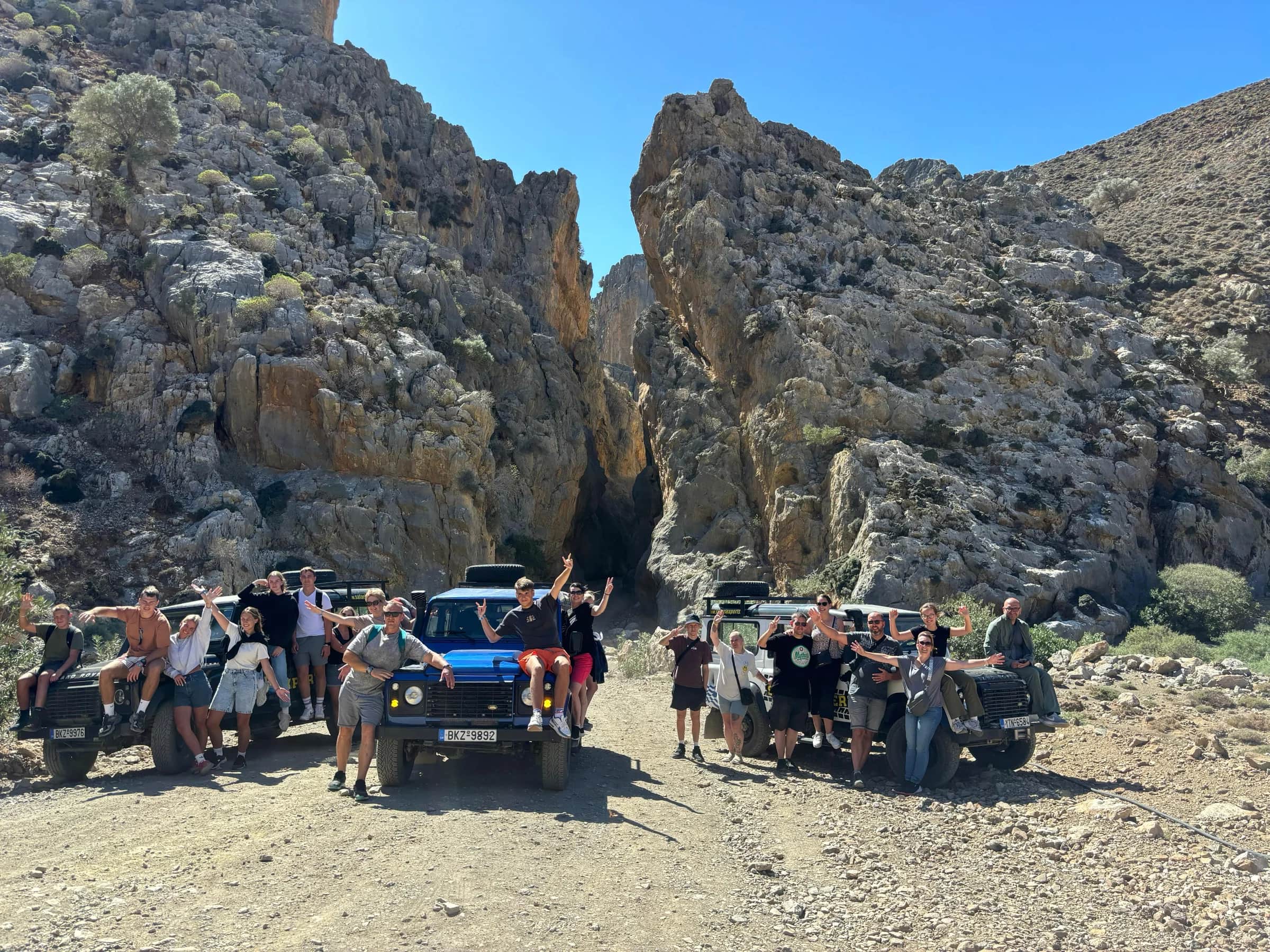
If you want to compare routes before choosing, browse jeep safari tours in Crete that include mountain routes, village stops, and guided 4x4 experiences.
Jeep safari tours in Crete
Jeep Safari in Crete: The Most Balanced Choice
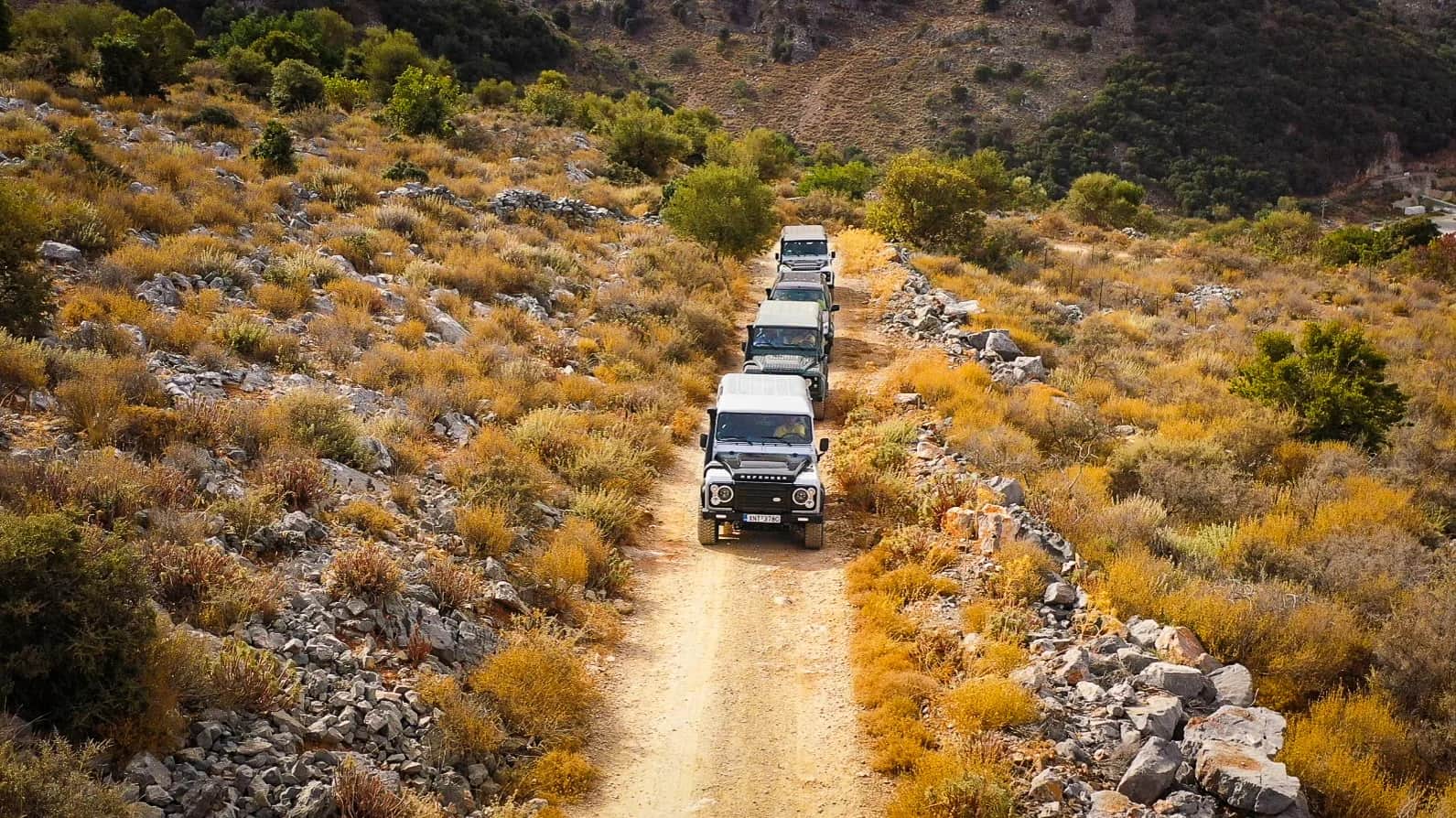
For most visitors, a jeep safari in Crete is the safest and most balanced option. It gives you a sense of adventure without asking too much from you physically. You can sit back, enjoy the changing scenery, and let the driver handle the road.
Jeep safaris are especially good for travellers who want variety. A typical route may combine paved roads, light off-road sections, villages, viewpoints, local tastings, and lunch. The vehicle becomes part of the experience, but it should not overpower the day. The point is still Crete, not only the car.
This style works well for couples who want a full day outside the resort, families with older children, and groups of friends who want something more interesting than another beach day. It also suits first-time visitors because it gives a broad introduction to the island's inland character. Our jeep safari guide breaks down each of the routes we list, with prices and honest notes on who each one suits.
The best jeep safari tours usually have smaller groups, clear pickup details, comfortable vehicles, and a guide who can explain the route in a way that feels natural. The weakest tours are the ones that rely only on the word "off-road" without offering much culture or scenery.
When choosing, look at the route carefully. Does it include villages? Is there a meal? Are there stops connected to olive oil, local products, or history? Is the group size reasonable? Does the tour explain what makes the region special? These details matter more than the number of kilometres.
Quad Safari in Crete: Hands-On and Dusty
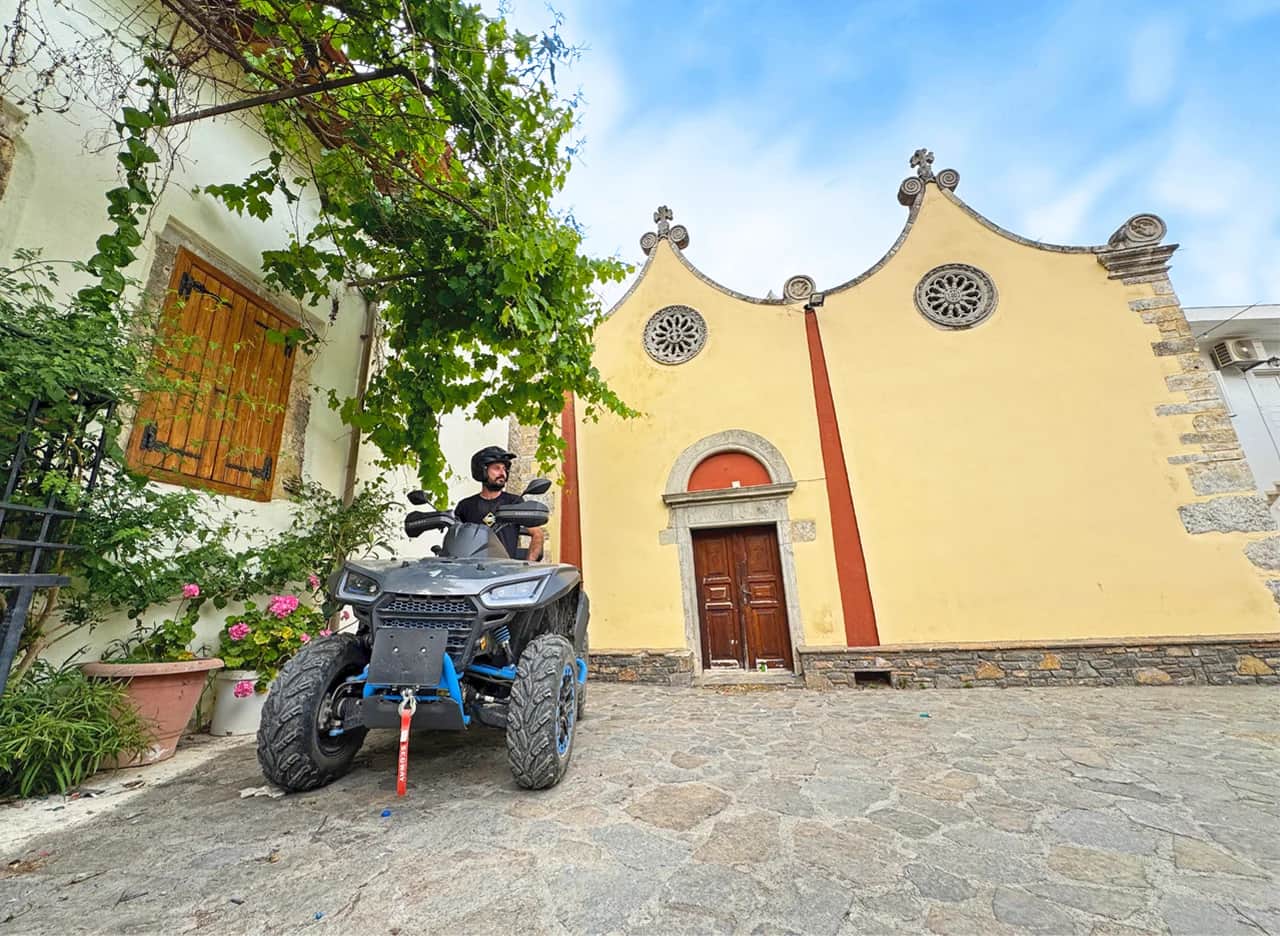
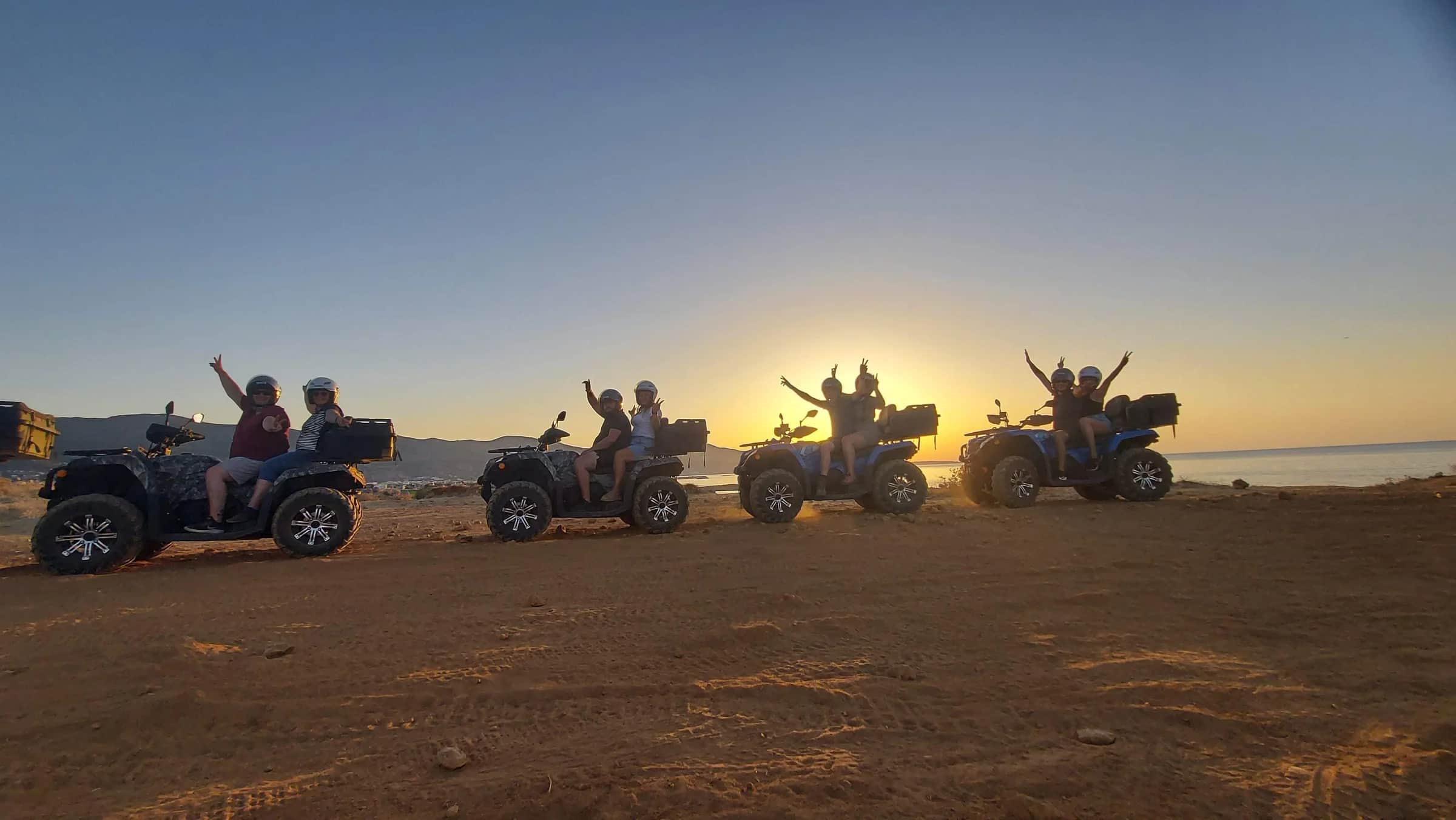
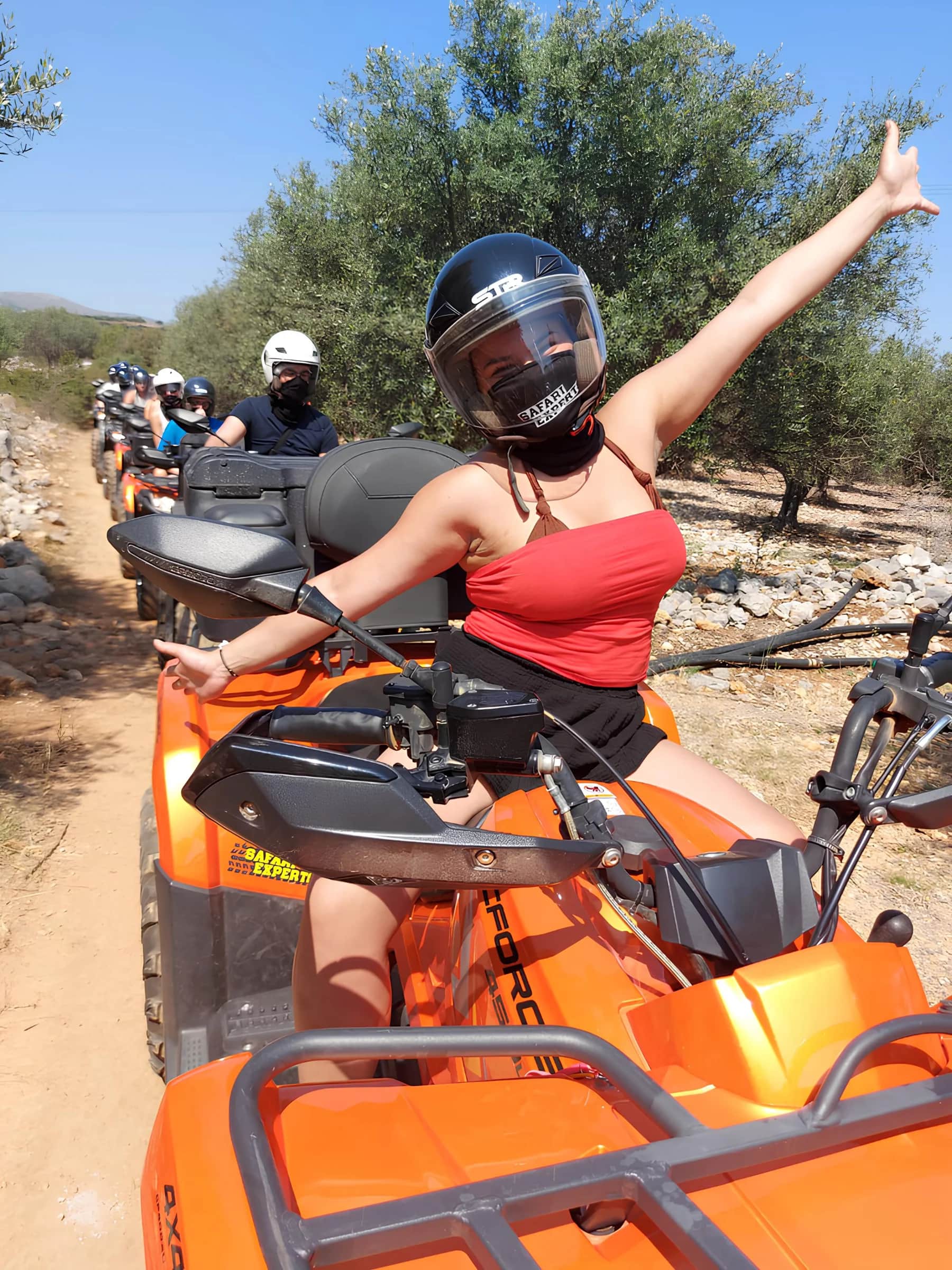
A quad safari is the more active format. Instead of sitting behind a driver, you ride your own quad in convoy behind a lead guide, which makes the day feel more physical and more social. It suits groups of friends, confident couples, and anyone who wants to be part of the driving rather than a passenger.
We list three real quad options, and two of them leave from Malia on the same route. The Malia day tour (from €165, which covers one quad for up to two people) starts with a briefing and a riding lesson, then climbs dirt tracks through olive groves to the Chapel of Prophet Elias, stops at a traditional olive oil mill for a tasting, and takes in the Cave of Milatos and a coastal run through the fishing villages of Milatos and Sisi. The Malia evening ride (from €147) follows that same route in a 16:00–20:00 slot only, while the day tour sells both an 08:00–13:00 and a 16:00–20:00 departure — though the morning slot stops at the end of September, and the evening listing has no dates published beyond then either, so for October the day tour's 16:00 start is the only Malia ride with dates on sale. The evening listing's booking widget prices it per person, while its own notes say the €147 covers one quad for two riders, so check the total for two before assuming it undercuts the day tour. Between them, these two rides are the only safaris we sell that are still out after six in the evening: the Heraklion sunset jeep that used to fill that slot has been withdrawn, and nothing driven has replaced it, so a late safari from our list now means someone in your party steering a quad. In the east, the quad safari through old Crete from Agios Nikolaos (from €95) trades busy roads for quieter inland villages, though it meets at Kalo Chorio rather than in the town. Our quad safari guide covers all three self-drive rides, and jeep or quad safari in Crete helps you pick the format first.
The trade-off is comfort. Quads are exposed to sun and dust, they demand your attention on the rough sections, and they come with age and licence rules. If anyone in your group would rather watch the scenery than steer through it, put them in a jeep instead. We would rather say that plainly than have you discover it halfway up a dirt track.
Quad safari tours in Crete
Private Safari Tours in Crete
A private safari tour is often the best option for travellers who want more control. You can usually move at a better pace, ask more questions, spend longer at certain stops, and avoid the feeling of following a fixed group schedule.
Private tours are especially useful for families, couples celebrating something special, or small groups staying in villas. They are also good when you want a more comfortable day with pickup from your accommodation and a route adapted to your interests.
The value is not only privacy. It is flexibility. If someone is visiting Crete for the first time, a private jeep can also be a smart way to understand the island faster. Instead of trying to plan a self-drive itinerary, you can follow a local who knows the roads, timing, and places worth stopping.
That said, private does not automatically mean better. The guide still matters. The route still matters. A private tour with a weak itinerary will not beat a well-run small-group safari. Look for experience, local knowledge, and a clear sense of what the day includes.
History and Archaeology Along the Way
Not every safari in Crete is an archaeology tour, but history is almost always nearby. The island's inland routes pass through areas shaped by Minoan settlements, Venetian rule, Ottoman influence, monasteries, resistance stories, and centuries of rural life.
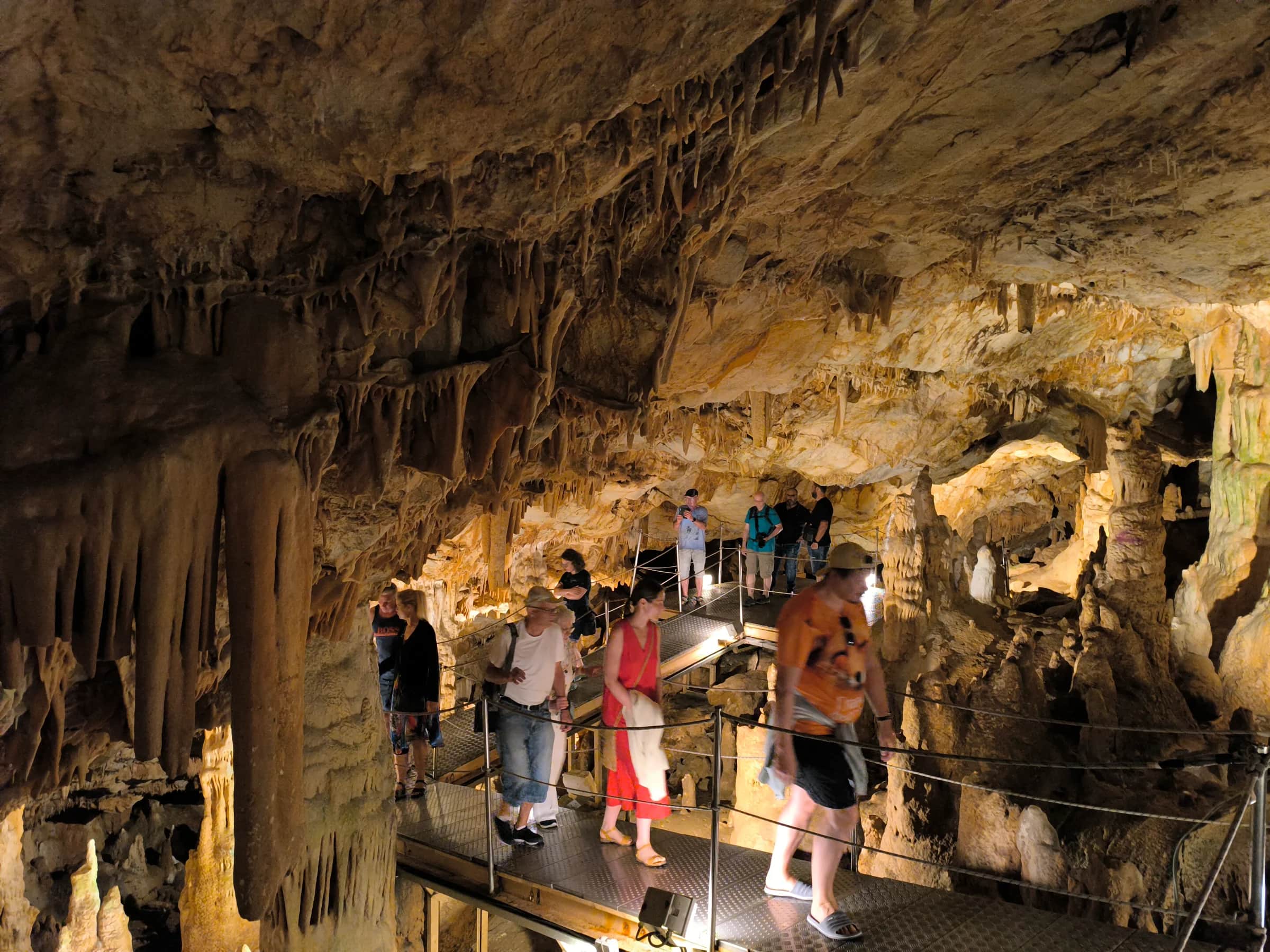
Some safari tours include stops at caves, old churches, or villages with wartime history. Others pass near archaeological sites without entering them. Even when there is no formal monument on the route, the landscape carries history. Terraced hillsides, old stone houses, threshing floors, chapels, and mountain tracks all reflect how people lived and moved through the island. If a cave stop is the part that appeals most, our guide to safaris with a cave visit compares the two routes built around one.
If archaeology is your main interest, you may want a dedicated cultural tour instead of a safari. But if you like history as part of a broader day, a safari can give useful context. You see where people farmed, traded, hid, celebrated, and built communities away from the coast.
This is one of the reasons local guides are important. Without explanation, a village may look like a short stop. With the right story, it becomes part of a much longer Cretan timeline.
Food, Bars and Tavernas
Food is one of the best parts of a safari in Crete. Many tours include lunch in a taverna or stop for olive oil, cheese, honey, wine, raki, or local snacks. These are not side details. They are part of the inland experience.
Cretan food makes more sense when you see the land behind it. Olive groves, vineyards, sheep and goats, wild herbs, vegetable gardens, and mountain villages all connect directly to what appears on the table. A simple lunch of salad, cheese, meat, potatoes, bread, and olive oil can feel more meaningful after you have spent the morning driving through the places that produce those ingredients.
The best tavernas on safari routes are usually not fancy. They are local, generous, and seasonal. You may find slow-cooked meat, dakos, local cheese, fresh bread, olives, greens, grilled dishes, and homemade wine. The atmosphere matters as much as the menu.
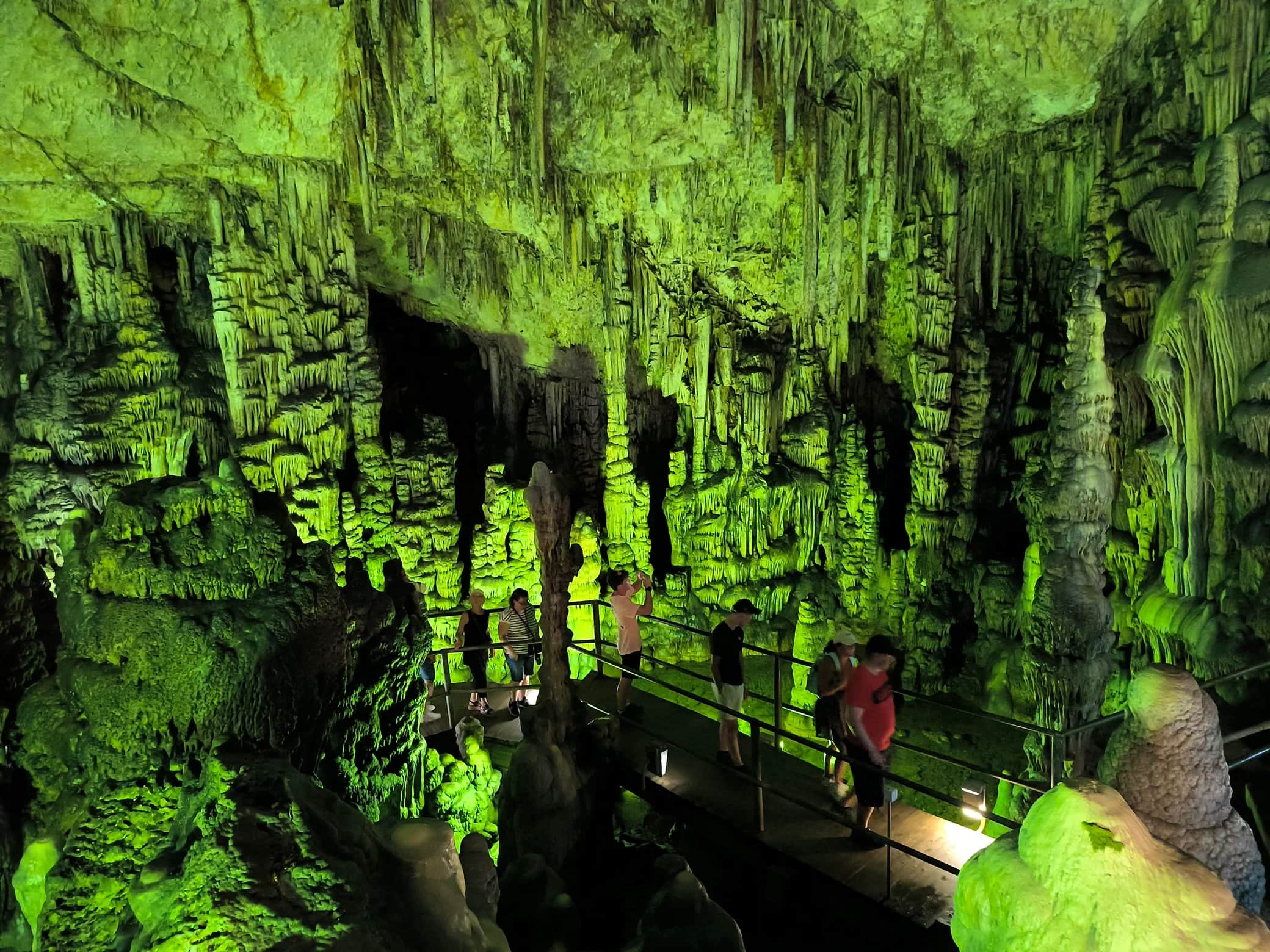
If the meal is the part you care about most, all four jeeps we list include a Cretan lunch with wine: the Trypiti south coast safari builds a proper Cretan lunch into the day, and the Cave of Zeus jeep sits you down in a local tavern with a wood-fired oven, wine and water included in the €89. The two Malia quads end differently, with a gyros and a soft drink back at base rather than a taverna meal. On other routes, always check whether food is included in the price or paid separately.
Weather and Best Time to Visit
The best time for a safari in Crete is usually spring, early summer, and autumn. These months offer a good balance of pleasant temperatures, clearer roads, and attractive landscapes.
Spring is especially good inland. The hills are greener, flowers appear across the countryside, and the heat is still manageable. This is a strong season for travellers who want nature, photography, and village routes without the pressure of peak summer.
Summer is still popular, especially because many visitors come to Crete in July and August. A safari can be a good way to escape the beach for a day, but inland heat can be strong. Choose a tour with morning pickup, enough water, and shaded food stops — or take a 16:00 start on one of the Malia quads instead, which misses the midday heat and finishes in the cooler evening. Every jeep we list now runs in daylight, so that late start means riding rather than being driven, and a quad leaves you in the sun either way.
Autumn is one of the best periods for safari tours. The weather is usually softer, the island feels calmer, and food experiences become especially interesting as harvest season approaches in many rural areas.
Winter safari tours may be possible with some operators, but routes can change depending on weather, road conditions, and demand. Mountain weather is less predictable, and some high areas may be cold or difficult to access.
Whatever the season, bring sunglasses, comfortable shoes, sunscreen, water, and a light layer if the route goes into the mountains. Even in warm months, the air can change once you leave the coast.
Getting There
Most safari tours in Crete include hotel pickup or a meeting point. This is one of the reasons they are so convenient. You do not need to rent a car, read mountain roads, or worry about where to park in small villages.
From Heraklion and Ammoudara, routes head inland toward the Lasithi Plateau and the Cave of Zeus, across to Psiloritis and the Sfendoni Cave, or down to the south coast. These are all driven jeep days — the quad that left from Ammoudara is no longer bookable, and nothing on our list replaces it there — and this is the most practical base if you are staying in Heraklion city, Hersonissos, Gouves, Kokkini Hani, or the nearby resorts.
From Malia, both quad safaris start locally and follow the same four-hour route, which ends with a coastal run through Milatos and Sisi before the return. The day tour departs at 16:00 (and at 08:00 until the end of September), and the evening ride picks up between 16:00 and 16:30. If you want to ride rather than be driven, this is the easiest stretch of coast to book from, and every jeep we list collects from Malia hotels too.
From Agios Nikolaos and Elounda, the eastern departures — the Sarakina Gorge jeep and the old-Crete quad — keep transfers short and the day manageable.
We do not currently list departures from Chania or Rethymno, so if you are staying in western Crete, factor in the transfer before booking one of the central routes. Our by-area guide to safari departures breaks down exactly which tours leave from where.
Where to Stay for the Best Safari Access
You can book a safari from most main tourist areas in central and eastern Crete, but your base affects the type of route you will experience.
Heraklion is the most practical base. It works well for visitors who want inland routes, village stops, cave visits, and easy pickup from city hotels or nearby resorts, and three of the jeep days we sell — the Cave of Zeus, Psiloritis, and south coast routes — pick up in the city itself.
Hersonissos and Malia are convenient for travellers who want a safari day without moving far from the north coast. Every jeep we list collects from hotels in both, and Malia also has two quad departures of its own, with hotel pickup that reaches Hersonissos too.
Agios Nikolaos and Elounda work well for the eastern routes, especially if you want the Sarakina Gorge or the quieter old-Crete quad ride.
If safari is one of your main activities, choose accommodation with easy pickup access. Staying in a very remote villa can be beautiful, but it may limit tour options or add transfer costs.
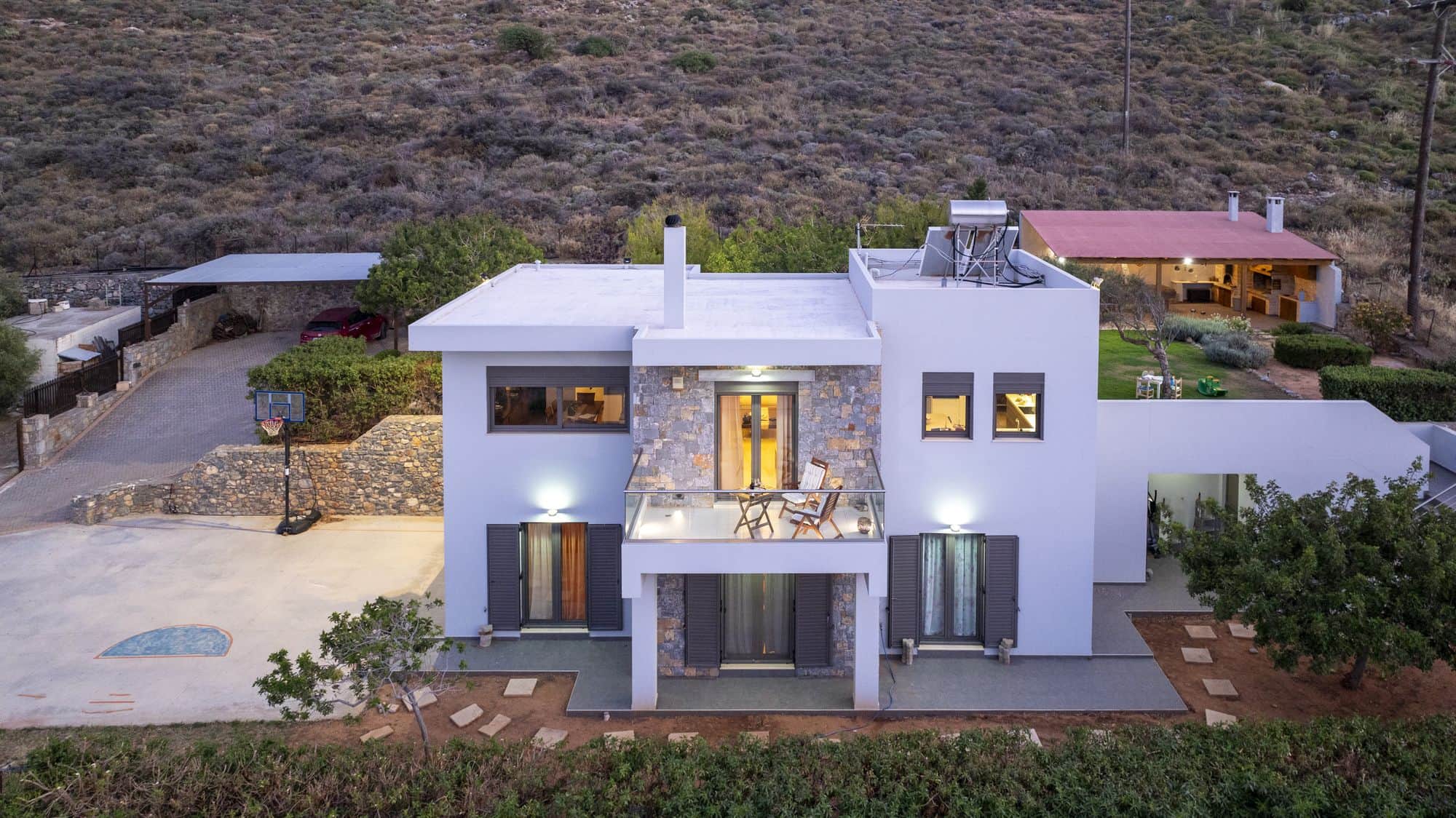
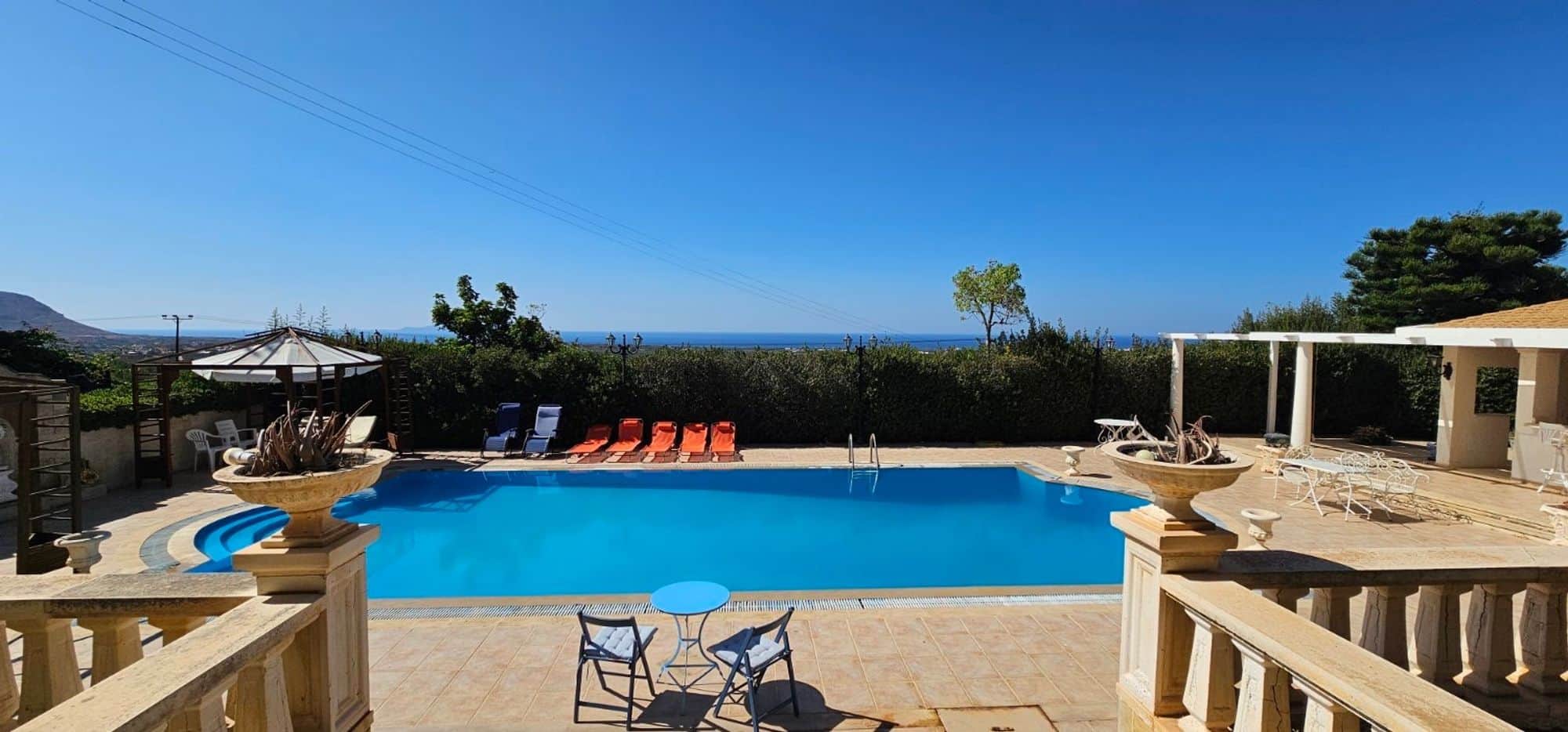
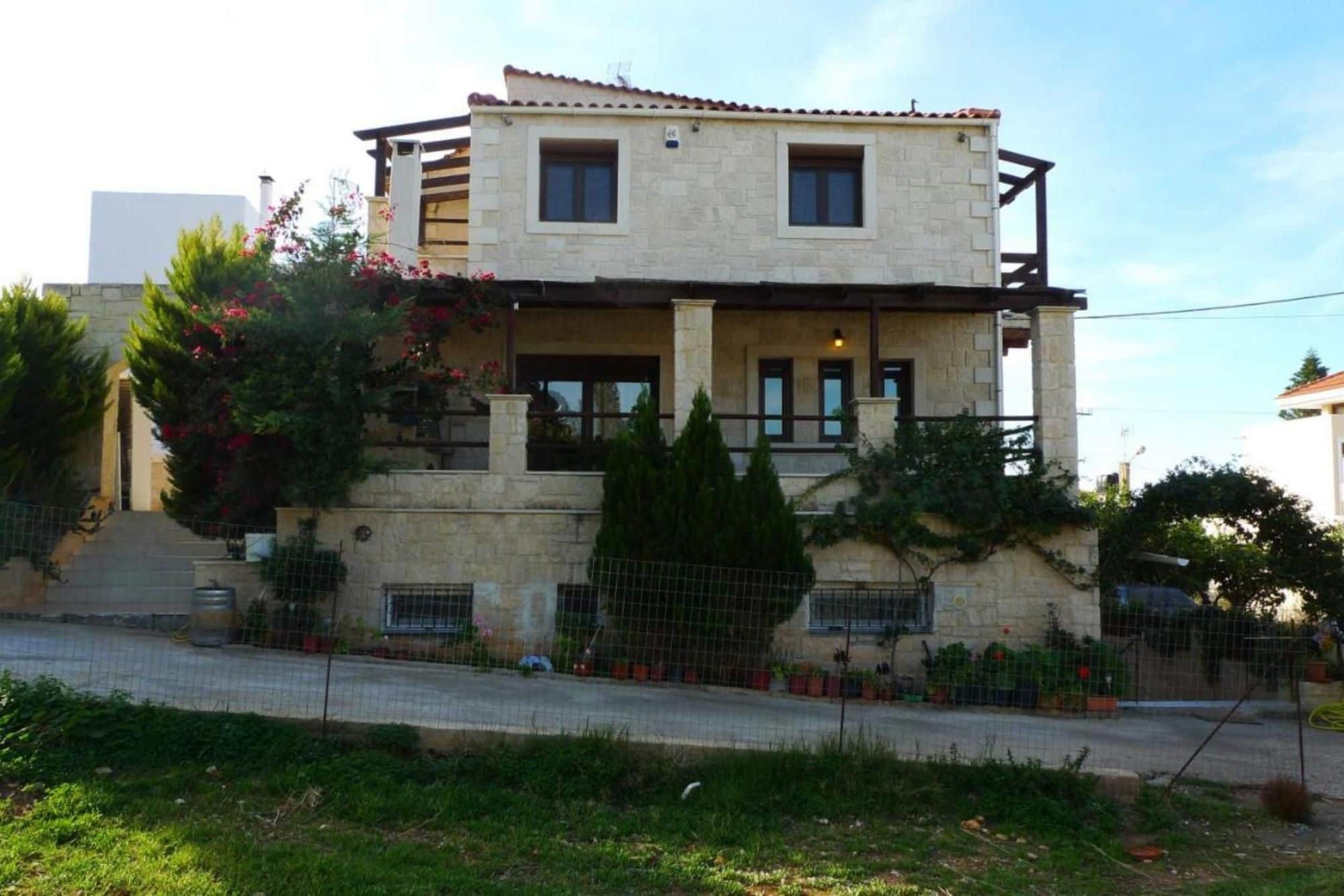
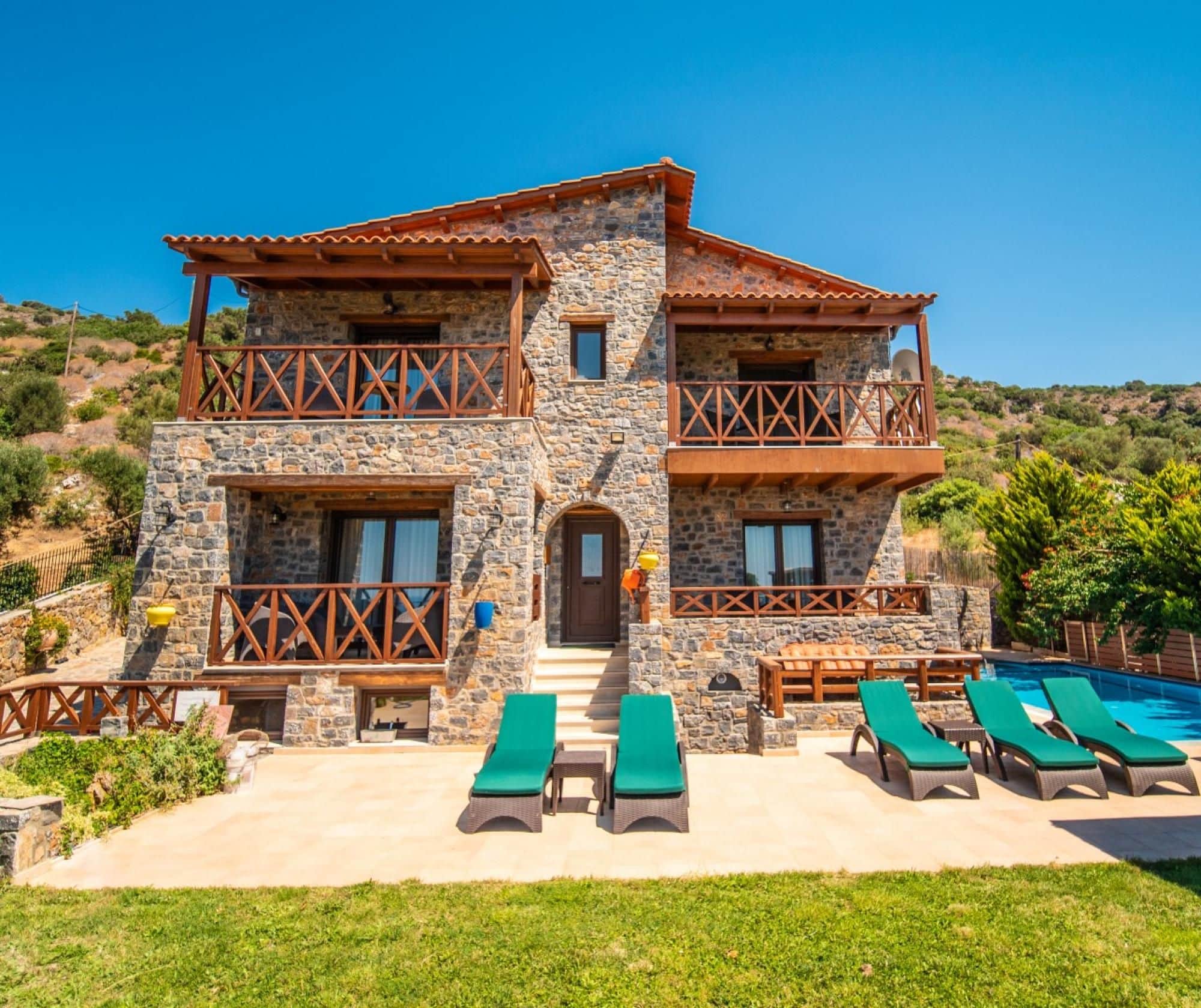
That trade-off is worth planning rather than discovering. We run our own villa company, My Creta Villa, and the houses that work best for safari weeks are the ones on a sealed road within reach of the north-coast pickup points — remote enough to feel like countryside, close enough that the minibus can actually reach the gate. For the first and last nights of a trip built around early pickups, their villas near Heraklion airport remove the one drive nobody enjoys.
Villas with easy safari pickup
My Creta Villa — our own villa company
Nearby Attractions to Combine With a Safari
A safari can stand alone as a full-day experience, but it also pairs well with other activities in Crete.
If your safari starts from Heraklion, you can combine it on another day with Knossos, Heraklion Archaeological Museum, a wine tasting route, or a boat trip. This gives you a strong mix of ancient history, inland culture, and sea.
From Malia and Hersonissos, the beaches and the coastal towns fill the slower days easily, and a late departure — a 16:00 Malia quad — leaves your mornings free.
From Agios Nikolaos, consider Spinalonga, Kritsa, the Lassithi Plateau, or a quiet coastal route. Eastern Crete has a different rhythm, often less crowded and more spacious.
The best plan is not to overload the same day. A safari already includes movement, stops, food, and views. Leave space around it so the experience does not feel rushed.
Which Safari in Crete Is Best?
The best safari in Crete depends on the traveller.
Choose a jeep safari if you want the most balanced experience. It is scenic, accessible, structured, and suitable for many types of visitors.
Choose a quad safari if you want something more active and hands-on, but check age limits, licence rules, and whether it suits everyone in your group.
Choose a 16:00 quad from Malia if you want your mornings back and the cooler end of the day. We no longer list a jeep that runs into the evening, so that slot is self-drive only, and it needs a licence and a rider who wants to steer.
Choose the south coast run if you want the wilder side of the island, with a gorge and a proper Cretan lunch built in.
For most first-time visitors, the best choice is a guided jeep safari with a small group, a local driver, village stops, scenic viewpoints, and a proper food experience. That combination gives the strongest sense of Crete without making the day too demanding. You can compare everything we list side by side on our safari tours page.
Final Take
The best safari in Crete is not a wildlife drive. It is a guided journey through the island's inland landscapes, mountain roads, villages, olive groves, and local food culture.
A good safari shows you the Crete that sits behind the beaches. It gives context to the island, not only views. You understand the terrain, the villages, the food, and the slower rhythm of rural life.
Choose the tour with the strongest route, the best guide, and the clearest sense of place. If it includes small groups, local stops, scenic viewpoints, and enough time to enjoy the day, it is already close to what a Crete safari should be.
Frequently asked questions
Is a safari in Crete a wildlife tour?
No. In Crete, safari means a guided 4x4 or quad tour through mountains, villages, and olive groves, not an animal-watching drive.
What is the best type of safari in Crete?
For most visitors a guided jeep safari is the most balanced choice, combining scenery, villages, and comfort. Quad safaris suit those wanting a more active, hands-on day.
Where do safari tours in Crete start?
The tours on our list leave from Heraklion and Ammoudara, Malia, and Agios Nikolaos. The Heraklion and Ammoudara departures are all guided jeeps; the self-drive quads leave from Malia, which sells two rides over the same route, and from Kalo Chorio near Agios Nikolaos. Choose a tour near where you are staying to avoid long transfers.
How physically demanding is a safari?
On a jeep tour most of the day is spent in the vehicle, with short walks at stops, so it suits most fitness levels. Quad tours are more physical and exposed to sun and dust.
When is the best time for a safari in Crete?
Spring and autumn offer the most comfortable temperatures. In summer, a 16:00 start on one of the Malia quads avoids the midday heat, but no jeep on our list runs into the evening any more, so that late slot is self-drive only.