Field notes · 07 Jul 2026
Lasithi Plateau Jeep Safari: The Mountain Day Trip That Earns Its Dust
The turn comes quickly after Malia. One minute the road is all beach bars and scooter rentals, the next the jeep is climbing through olive terraces and the sea is shrinking in the mirror. By the third hairpin the air through the open window is noticeably cooler. This is the point of a jeep safari to the Lasithi Plateau: within half an hour, coastal Crete is replaced by a different island, one of shepherds, orchards and mountain villages that most visitors never see.
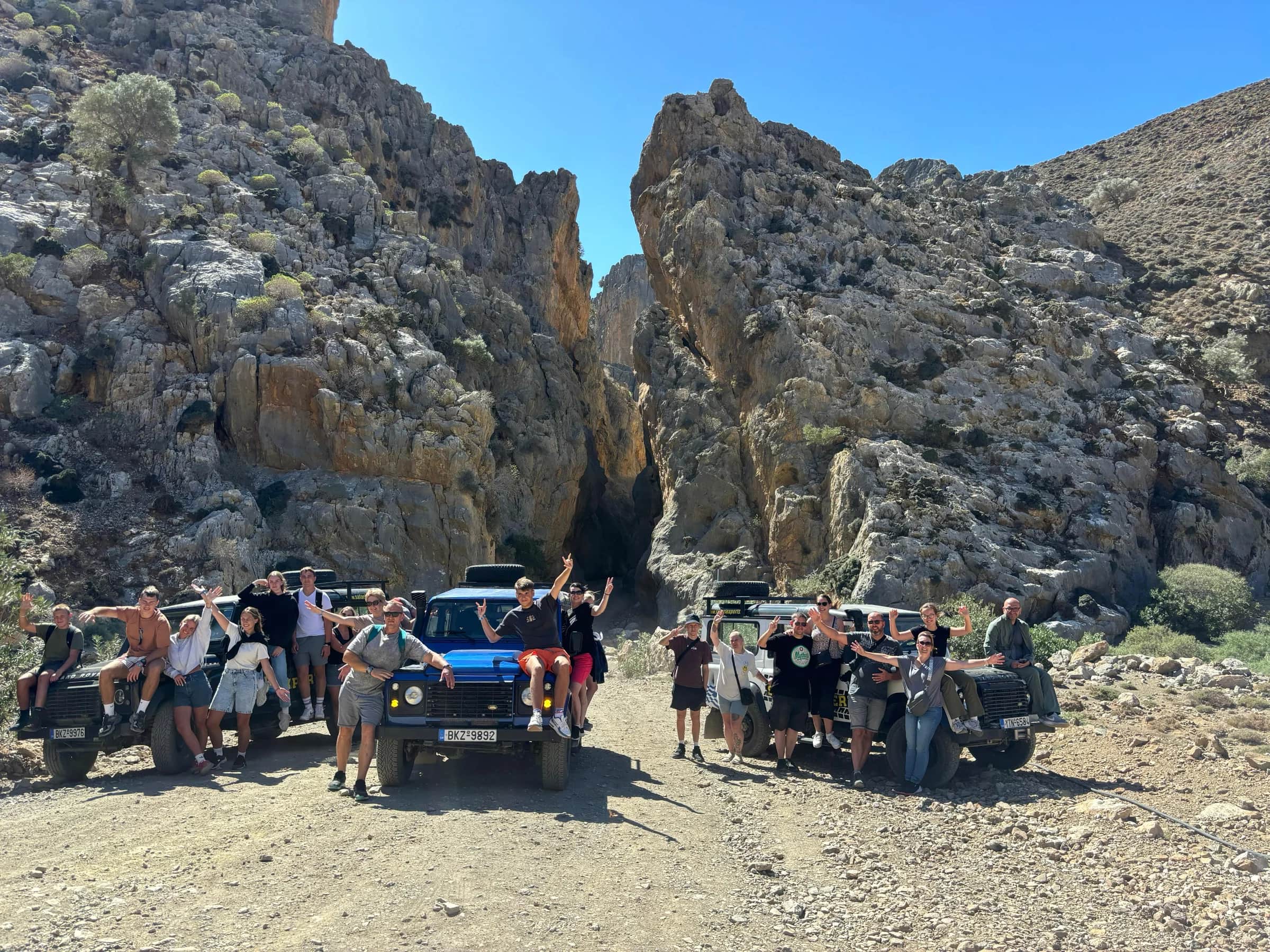
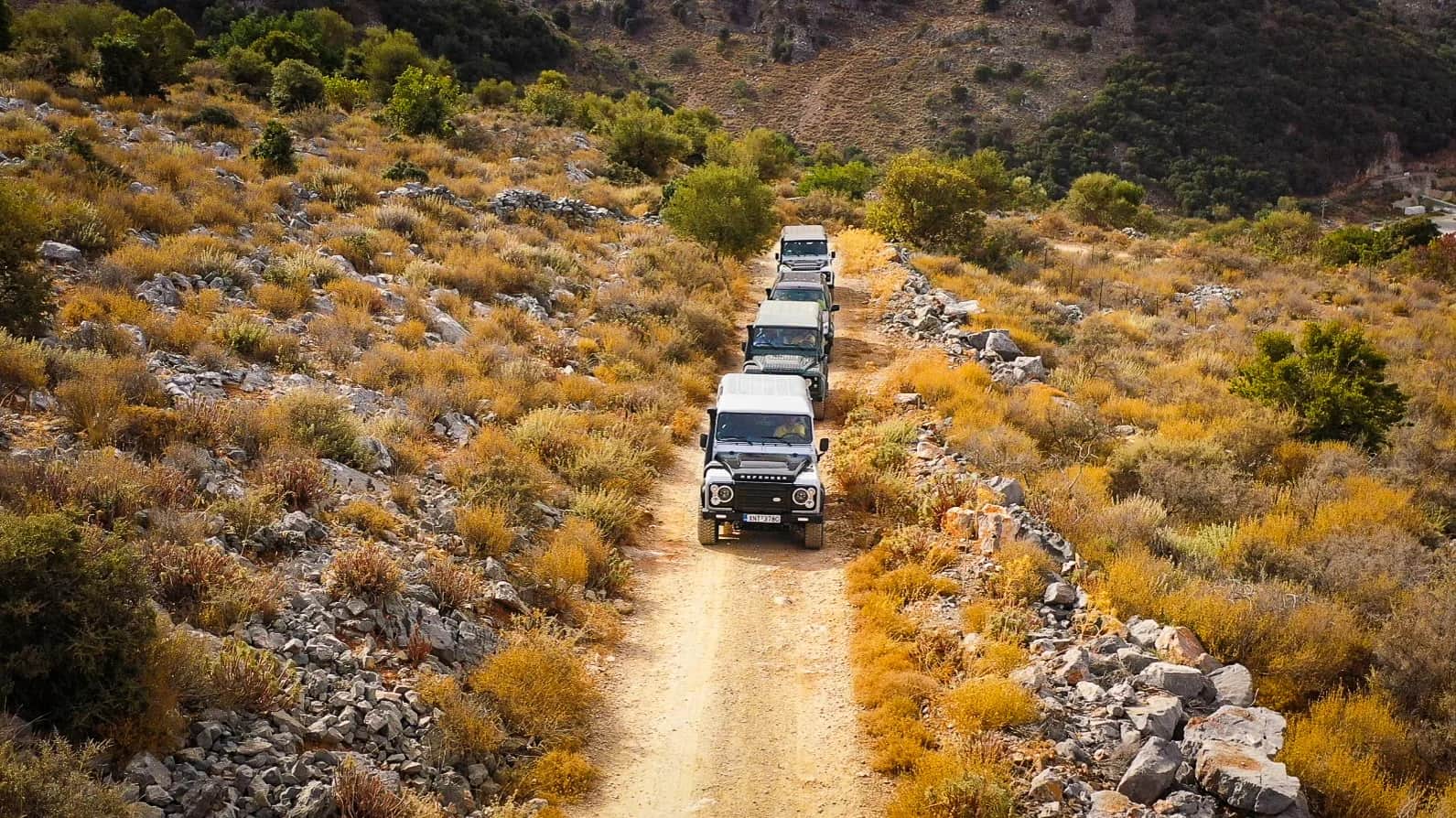
Unlike a coach excursion, a safari is built around the road itself. The driving is part of the show, gravel sections included, and the group is small enough to stop when something deserves stopping for. This guide covers the route and its stops, the best season for it, pickup logistics, and how to choose a tour that delivers more dust than gift shops.
Quick Summary
A Lasithi Plateau jeep safari is a full-day 4x4 trip from Crete's north coast resorts up into the Dikti Mountains, ending on a farmed plain that sits at about 840 metres above sea level. The standard day runs from a morning pickup around Heraklion, Hersonissos or Malia, climbs past the village of Krasi and the monastery of Kera Kardiotissa, crosses the pass at the stone windmills of Seli Ambelou, then circles the plateau with stops for villages, viewpoints and usually the Cave of Zeus above Psychro. Expect mountain tracks the tour buses cannot take, a long taverna lunch, and temperatures 5 to 10 degrees cooler than the coast. The full day we list runs about 7 hours from €89, and it suits couples, photographers and families with school-age children better than almost any other organised day out in this part of Crete.
The Route: What a Lasithi Plateau Jeep Safari Day Looks Like
Operators vary the details, but the classic day from the Heraklion side follows a recognisable arc. It leaves the coast at Malia, climbs to the pass, works around the plain, and comes back down in the late afternoon. These are the stops that define it.
The Climb: Krasi and Kera Kardiotissa
The ascent from Malia covers about 15 kilometres of switchbacks, and good tours break it twice. The first stop is Krasi, a mountain village at 600 metres built around a spring and a plane tree that locals say is 2,500 years old; its shade covers half the square. The second is Kera Kardiotissa, a small monastery a couple of kilometres further on, with Byzantine frescoes inside and a view that already makes the coast feel far away. Both stops are short, twenty minutes or so, and set the tone before the pass.
The Pass and the Windmills of Seli Ambelou
At close to 900 metres the road crests the rim of the plateau beside a line of stone windmills. This is the postcard moment of the day: the whole plain opens up below, an oval of green and brown fields ringed by the Dikti peaks. The wind up here is almost always strong, which is exactly why the mills were built. Drivers usually allow time for photographs before dropping onto the plain, where white-sailed wind pumps once irrigated the fields by the thousand; a number have been restored and still turn.
Around the Plain: Villages and Farm Tracks
This is where the jeep earns its keep. The paved ring road connects roughly 20 villages, home to about 2,000 people, but the interior of the plain is crossed by gravel farm tracks that buses cannot touch. A good safari mixes both: a slow lap past orchards and potato fields, then a stop in Tzermiado, the largest village, or Agios Georgios, whose folk museum and bakery reward a wander. The plateau grows apples, pears, walnuts, cherries and almonds, and in September the harvest is everywhere. Lunch happens here, in a village taverna cooking for locals, and it is routinely the meal people remember from their whole holiday.
The Cave of Zeus at Psychro
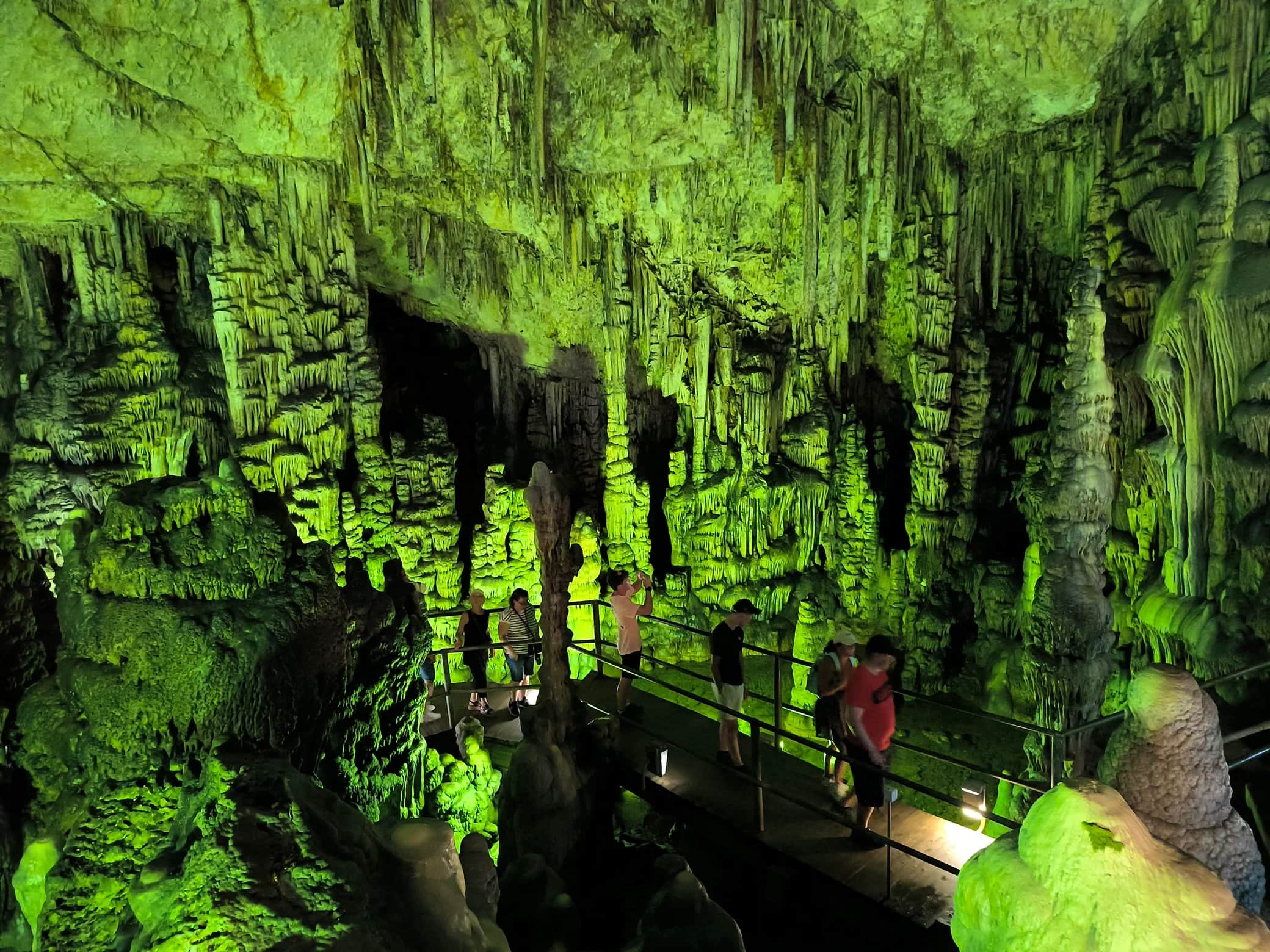
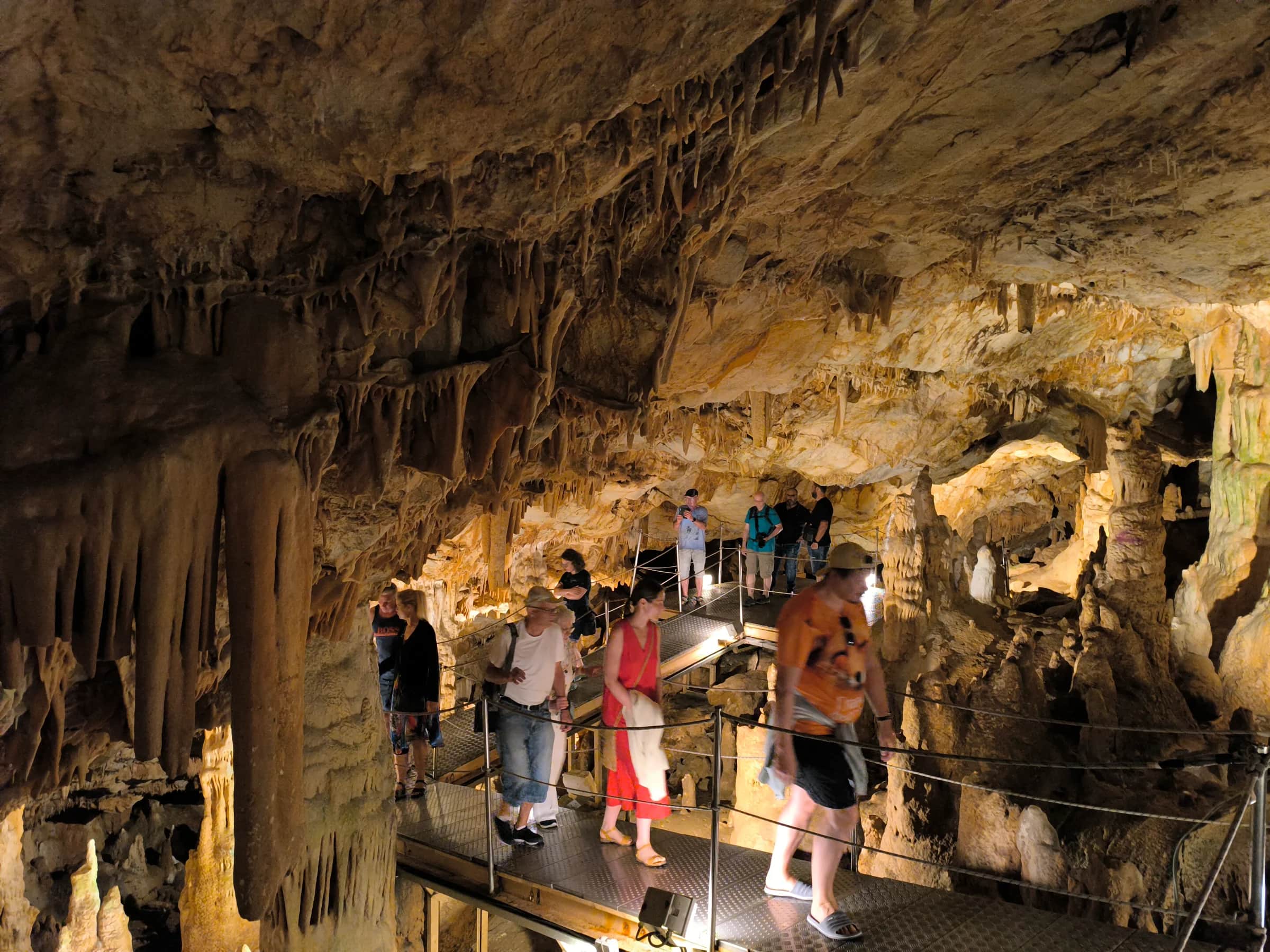
Most full-day safaris include the Dikteon Andron, the cave where mythology says Rhea hid the newborn Zeus from Cronos. From the parking area above Psychro a path climbs for about 15 minutes at an easy pace to the entrance, then steps descend past stalactites to an underground lake. The cave reopened in June 2026 after a two-year renovation, with stabilised rock, new lighting and upgraded walkways inside, and it stays cave-cool in a way that feels like another season in August. Two practical notes matter more than most guides admit: admission is paid at the gate rather than included in the safari price — €15 per adult on the day we list, where the cave stop is optional — and the site is closed on Tuesdays, which should decide which day you book.
Viewpoints and the Descent
The return leg varies most between operators. Some drop through the eastern rim toward Mesa Lasithi and the winding road toward the Agios Nikolaos side, others retrace the pass for late light on the windmills. Ask which way your tour descends; the difference in views is real.
Weather and Best Time for a Jeep Safari
The plateau runs 5 to 10 degrees cooler than the coast in every month, and the pass is windy on the calmest day, so a light layer belongs in your daypack from June through September and a proper jacket the rest of the year. Snow can sit on the plain and the peaks into mid-spring, which makes early season safaris feel almost alpine.
The safari season runs April to October, and the best windows are late spring and early autumn. In April and May the plain is in blossom with snow still on the ridgelines, and jeeps handle the season's muddy tracks far better than anything else on the road. September and October bring the apple harvest, soft light and morning fog over the fields. High summer works too, with two caveats: book a tour that reaches the cave early, since midday belongs to the coach groups, and expect strong sun at altitude, where the UV is stronger than the cooler air suggests.
Getting There and Pickup Areas
Safari operators collect guests along the central north coast, with Heraklion, Hersonissos, Stalis and Malia the standard pickup zones; the plateau sits about 60 kilometres and an hour from Heraklion by the direct road. Some tours also run from the Agios Nikolaos side, approaching through the hamlets of Amigdali, Zenia and Potami into Mesa Lasithi, a route of about 40 kilometres of continuous mountain scenery — our by-area guide to safari departures shows which routes leave from where. The jeep days we list start between 08:30 and 09:00, and their published slots finish between 16:00 and 17:00. Self-driving the same loop is possible in any rental car on the paved roads, but the gravel interior tracks and the constant scanning for viewpoints are exactly what you pay a safari driver to handle.
What to Bring on the Day
Packing for the plateau is packing for two climates. On the coast the morning starts warm, but the pass sits at nearly 900 metres and the plain at 840, so a light windproof layer earns its place in the daypack in midsummer and a proper jacket does from October to May. Closed shoes with grip matter twice, once on the stone path up to the cave and again on its damp steps inside. Sun protection is not optional at altitude, where the cooler air disguises stronger UV, and a refillable water bottle beats buying plastic at every stop — you can fill up at the Krasi springs. Bring cash: the cave charges at the gate, village tavernas and monastery shops often skip card machines, and the best bakery purchases are impulse ones. Add a camera or a charged phone, and anyone prone to motion sickness should claim a front seat before the switchbacks start.
Jeep days you can book
How to Choose Your Lasithi Plateau Jeep Safari
Four questions separate the great tours from the forgettable ones. First, group size: a jeep with four to six guests keeps stops flexible, while convoys of ten vehicles recreate the coach experience with extra dust. Second, the route: confirm the tour actually enters the plateau and stops at Seli Ambelou and a village, not just the cave parking lot. Third, timing: cave first or lunch first changes how crowded both feel, and Tuesday departures skip the cave entirely, so check the day. Fourth, inclusions: lunch and cave admission are sometimes extra, and honest operators say so upfront.
One thing we can no longer offer is an evening version of this day. No jeep we list runs late, so a sunset off-road trip now means a self-drive quad rather than a driven 4x4: the Malia evening ride is collected between 16:00 and 16:30 and is back at 20:00. It is a different day out, through olive groves and dirt mountain roads to the Milatos cave and the coast at Sissi rather than up to the plateau, and you do the driving.
Private safaris cost more but let families set the pace, and photographers can hold a viewpoint until the light cooperates. Shared jeeps are sociable and cheaper, and remain the right call for couples who want the day organised end to end. You can compare every safari we list side by side, and our guide to which safaris suit families weighs the options for younger passengers.
Common Mistakes to Avoid
Booking a Tuesday and expecting the Cave of Zeus is the most common error; the cave is closed that day. Showing up in flip-flops is the second, since the cave path and the village lanes want closed shoes. Underdressing costs comfort at the pass, where the wind cuts even in July. Skipping cash means missing the best small tavernas and the monastery shops, which often do not take cards. Leaving the camera buried in a bag wastes the descent, where the best light of the day usually happens. And assuming every safari is the same is how people end up in a convoy idling behind nine identical jeeps; ask about group size before paying.
Where to Stay
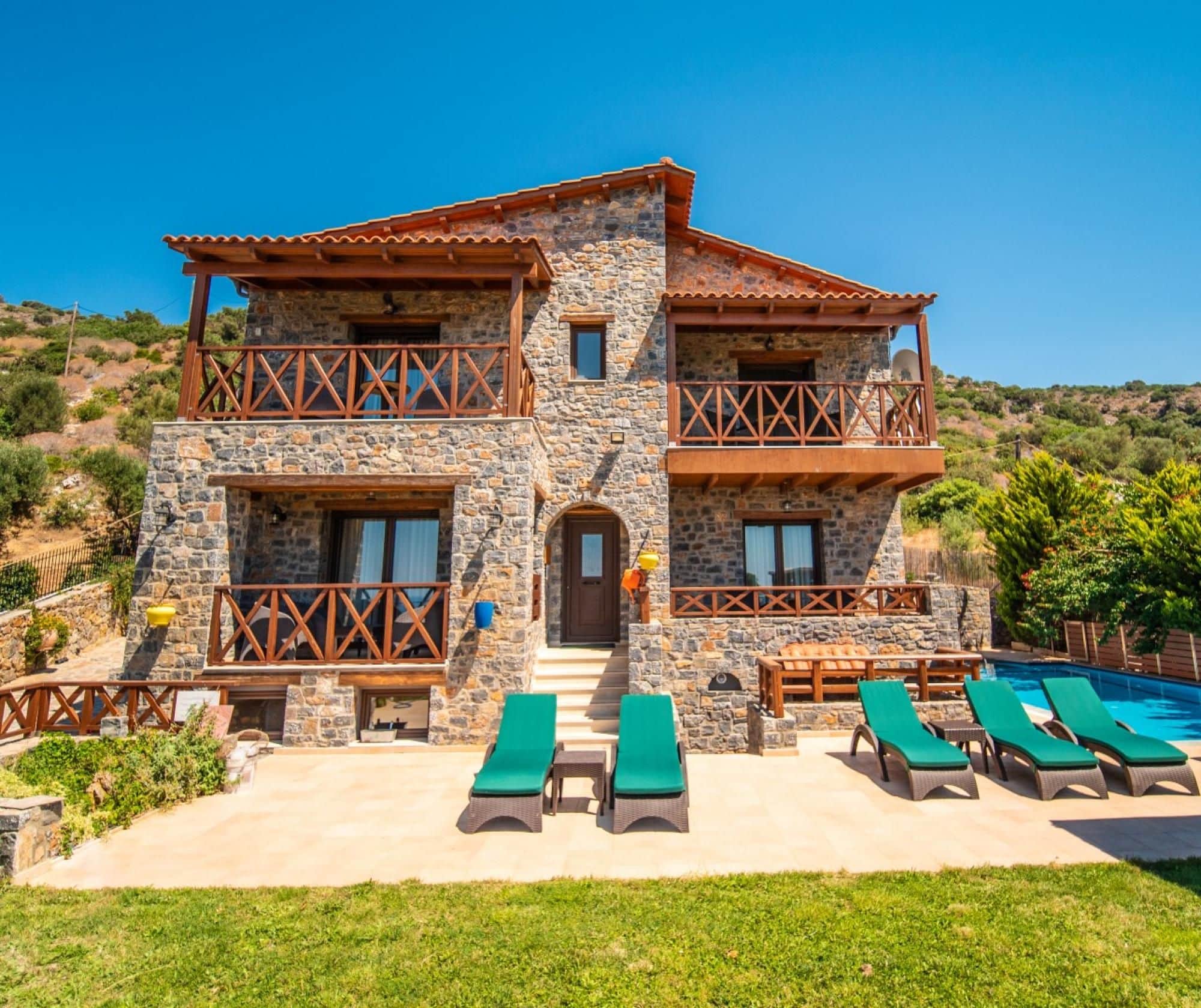
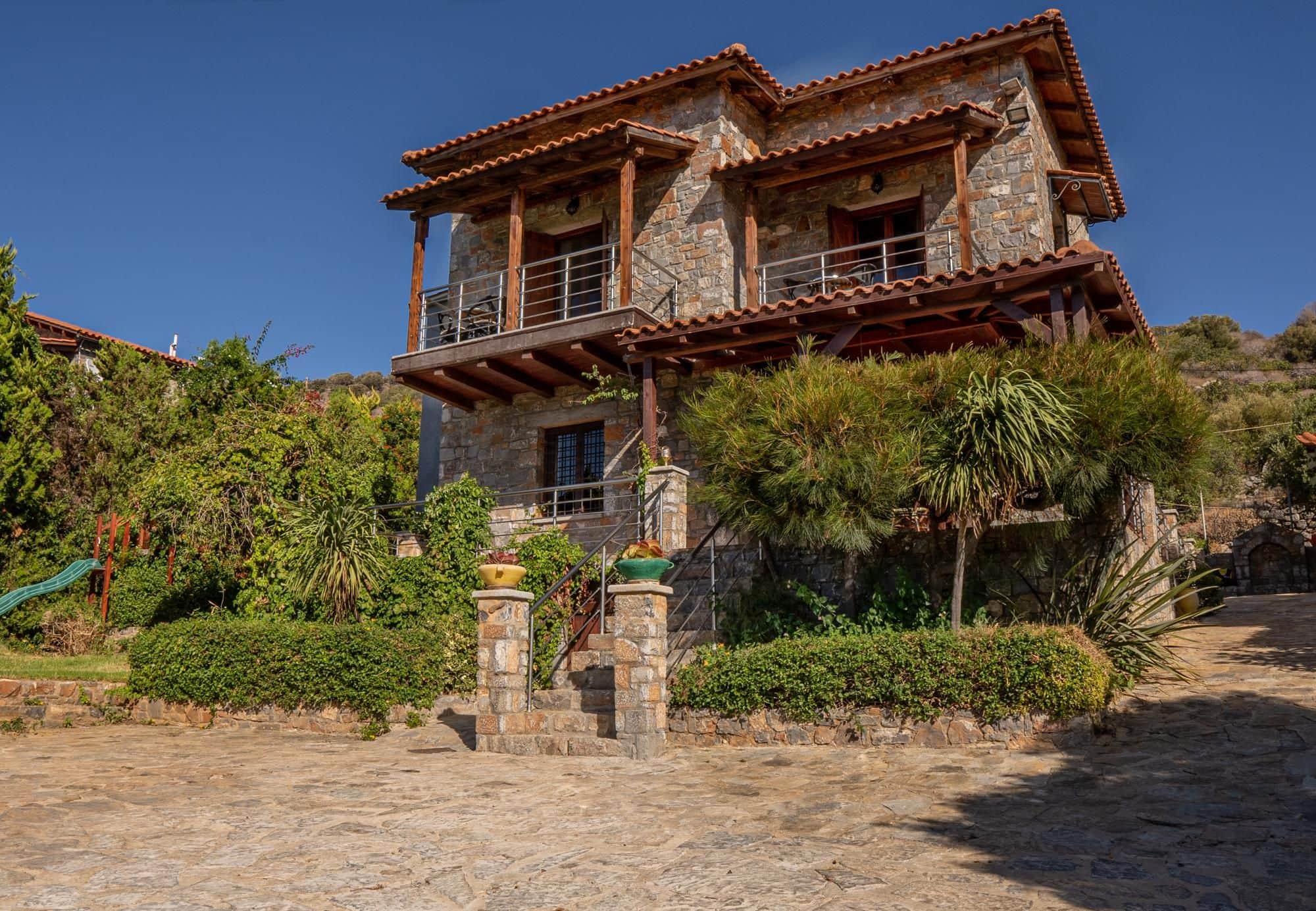
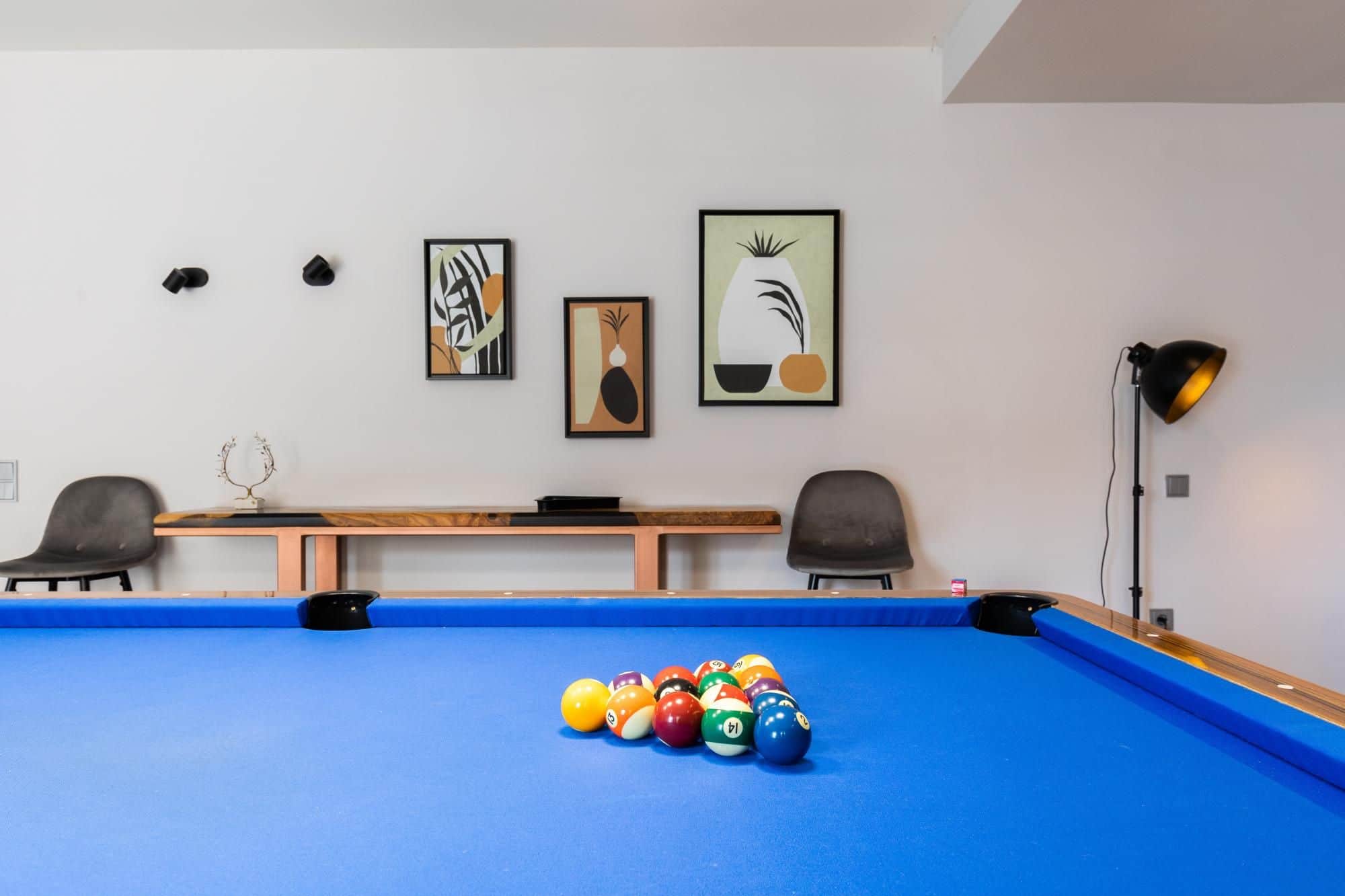
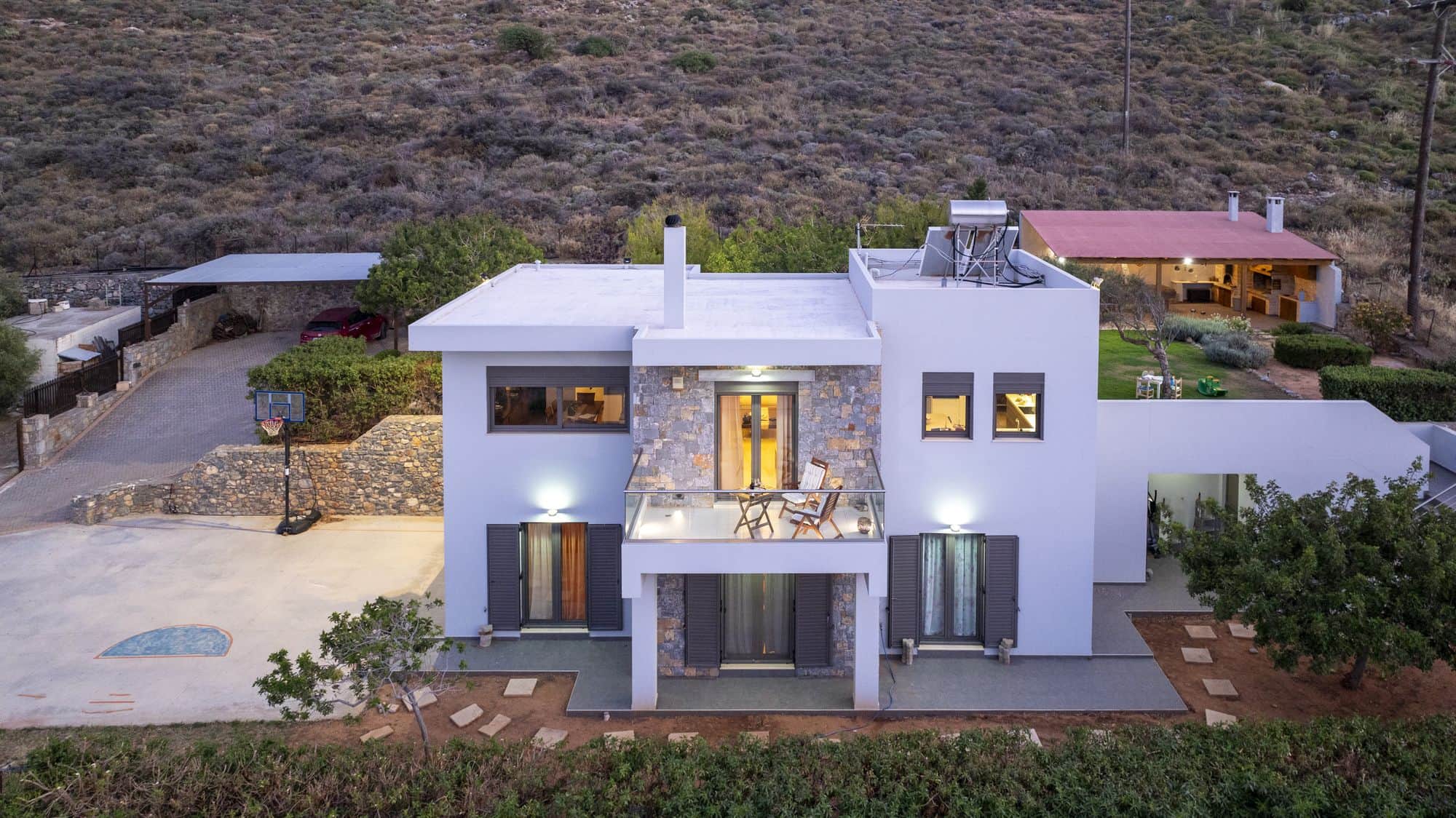
A safari works from any base between Heraklion and Agios Nikolaos, and hotel pickup makes the logistics painless. For travellers who want more than a night stand between excursions, a countryside villa in the hills behind the north coast keeps the plateau, the beaches and the airport all within an hour. That kind of base also opens the quieter option: driving up to the plain in the late afternoon after the day tours have gone, when the villages return to themselves. My Creta Villa — our own villa company — lists rural villa stays around Heraklion and Lasithi suited to exactly that rhythm, and simple guesthouses in Tzermiado serve anyone who wants to wake up above 800 metres with fog on the fields.
Villas near the Lasithi routes
My Creta Villa — our own villa company
Lasithi Plateau jeep safari: frequently asked questions
How long is a Lasithi Plateau jeep safari?
A full day. The one we list describes itself as about 7 hours, with hotel pickup included, a 09:00 start and published slots that finish at 16:00 or 17:00 depending on the date. It costs from €89, and the Cave of Zeus entrance is a further €15 per adult if you go in, since the cave stop is optional.
Is the tour suitable for children?
Generally yes, for school-age children and up. The driving is winding rather than extreme, the cave walk is short, and the mythology angle lands well with kids. Very young children can find the long jeep day tiring, and child seat availability should be confirmed when booking.
Is the Cave of Zeus open, and do I need to be fit for it?
It reopened in June 2026 after a two-year renovation, with upgraded walkways and lighting inside — but it is closed on Tuesdays, so pick your safari day accordingly. The path up takes about 15 minutes and the stairs inside descend and climb steadily; anyone comfortable with a hillside walk manages fine in grippy shoes.
What should I bring?
Closed shoes for the cave path, a light windproof layer for the pass, sun protection, a refillable water bottle for the Krasi springs, and cash for the cave gate, tavernas and monastery shops, which often skip card machines.
Is there a sunset or evening jeep safari?
Not any more. Every jeep route we list is a daytime departure, leaving between 08:30 and 09:00 and finishing in the late afternoon. The only off-road tours that run into the evening are the self-drive quads from Malia, collected around 16:00 and back at 20:00 — a different machine and a different landscape, not a late version of the plateau day.
Can I visit the Lasithi Plateau without a tour?
Yes, you can drive up in a hire car and loop the ring road yourself. A jeep safari adds the gravel farm tracks, the local guiding and the food stops, and it removes the mountain driving, which is the part many visitors would rather leave to someone who knows the road.
Final Thoughts
The Lasithi Plateau rewards the visitor who arrives the hard way. Seen through a jeep windscreen after an hour of hairpins, the plain reads as what it is, a working mountain world of orchards, windmills and myth that has outlasted every empire that tried to own it. A well-chosen safari turns that into a single satisfying day: cool air, big views, an honest lunch and a story about the king of the gods being born in a cave you actually stood in. Book the right jeep, skip the Tuesday, bring a jacket, and let the mountain road do the rest. If you want the wilder counterpoint afterwards, the south coast crossing is this day's rougher sibling, and our ranking of the best safaris in Crete puts the whole family side by side.
See all safari tours in Crete